 Bitcoin News
Marathon Digital’s 5 EH/s immersion-cooled expansion in Granbury

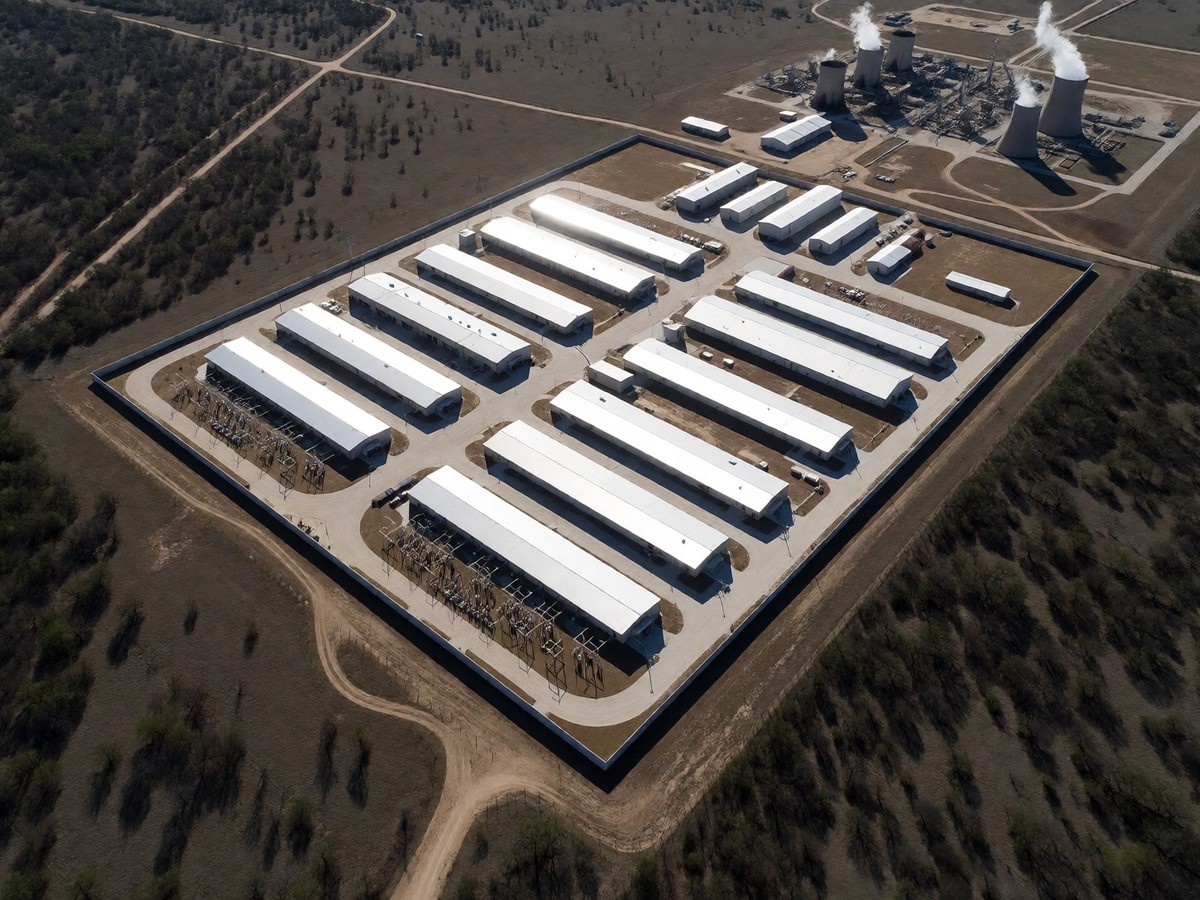
Marathon deployed 5 EH/s of computing power through immersion cooling at the 270 MW site in Granbury, Texas. The facility uses the MARA 2PIC700 dual-phase chip cooling system to manage the workload. This modular hardware operates between -20 and 50 degrees Celsius. The system reduces cooling costs by 60% and data center requirements by 75%. Liquid coolant provides 40 to 60% better heat removal compared to single-phase systems. The modular MARA 2PIC700 system enables two to four times the power density compared with current alternatives and can slash cooling costs and data center requirements by 60% and 75% respectively. By submerging ASIC miners in dielectric fluid, the company achieves a 15 to 25 percent improvement in hash rate and a 20 to 30 percent reduction in power consumption per hash generated. This method also increases hardware lifespan by 300 to 500 percent. Since liquid has 1,000 times better thermal conductivity than air, the system prevents the performance degradation seen at 75 degrees Celsius, which causes a 10% hash rate reduction, or 85 degrees Celsius, which causes a 25% loss, or 95 degrees Celsius, which triggers automatic shutdown protection. Overheated mining equipment consumes 15 to 30 percent more electricity while producing less hash. Two-phase systems use a closed-loop process where liquid boils and condenses to handle higher heat densities. Single-phase systems keep coolant in liquid form throughout the entire cycle by using a pump to circulate fluid through heat exchangers. This expansion provides the most efficient way to manage high-density compute.
Noise mitigation in Hood County
Residents in Granbury filed a lawsuit through Earthjustice against Marathon. The lawsuit, filed on behalf of Citizens Concerned About Wolf Hollow, alleges that Marathon creates a private nuisance with noise from 24/7 operations. Earthjustice identified over two dozen individuals who suffer health impacts like permanent hearing loss, severe migraines, tinnitus, and debilitating vertigo. Previous air-cooled setups generated 75 to 85 decibels of noise, which is equivalent to city traffic or a garbage disposal running continuously. Marathon built a sound wall around the facility to address these complaints. The company transitioned 1.6 EH/s of its hashrate in Granbury to immersion cooling to lower sound levels from 75 decibels to under 40 decibels. The 1,115 MW Wolf Hollow gas plant, where the facility operates, also has plans to bring an additional 300 megawatts of gas-fired generation online. Immersion cooling reduces noise by eliminating the need for chassis fans. The residents seek a permanent injunction to stop vibrations and noises that cause unreasonable discomfort. Can the community find peace despite the constant industrial activity?
Operational specs and electricity
The Granbury site operates near the 1,115 MW Wolf Hollow gas plant. Marathon uses 270 MW of hosting capacity at this location. This deployment relies on behind-the-meter connections to improve efficiency.
| Feature | Specification |
|---|---|
| Total Expansion | 5 EH/s |
| Site Capacity | 270 MW |
| Cooling Type | Dual-phase immersion |
| Noise Reduction | Under 40 decibels |
| Business Electricity Rate | 10.98 cents per kWh |
Immersion cooling provides a 20 to 30 percent reduction in power consumption for the same hash output. The expansion relies on the Wolf Hollow plant for electricity. The local business electricity rate in Granbury averages 10.98 cents per kWh. Residential users pay an average of 11.61 cents per kWh. Grab your notebooks and compare these numbers to standard air-cooled setups. Because Texas is a deregulated market, the cheapest electricity rate in Granbury is 8.20 cents per kWh. Commercial rates are typically cheaper than residential rates because businesses receive volume discounts. The average resident in Granbury uses 1,304 kWh per month, which equates to an average residential bill of $151.46. Texas producers provide electricity through generation, transmission, and retail segments while managing local distribution.