 Bitcoin News
The economics of El Salvador’s 6,000 BTC treasury


The Bitcoin Office reports 7,762.37 BTC in the national treasury. This amount reached a valuation of $602.84 million in early September 2026. The current holdings generate an unrealized profit of $167.82 million. The IMF agreement prohibits voluntary public-sector bitcoin accumulation and establishes a 40-month period for El Salvador to manage its digital assets to avoid government liability. The average acquisition price for these holdings was $45,200 per coin.
The government buys daily.
This accumulation creates tension with the IMF agreement. The December 2024 deal requires stable bitcoin holdings in government wallets. Independent trackers like Dzilla recorded the Bitcoin Office acquiring roughly 1 BTC per day. This practice continues despite the IMF requirement to limit public sector exposure to crypto assets. The amount of bitcoin in government wallets must stay unchanged. The treasury follows a strategy of purchasing one bitcoin every day since 2022. The Bitcoin Office maintains an official treasury tracker that allows direct observation of the balance. This transparency makes El Salvador one of the few countries with a state-controlled bitcoin reserve that the public can monitor through a live online tool.
A shift in payment rules
Legislative Decree No. 199 reformed the original Bitcoin Law. These changes became effective around May 1, 2025. Merchants no longer must accept bitcoin for goods and services.
Taxes use dollars.
Tax obligations require payment in US dollars. The previous rule allowed bitcoin for tax payments, but the state repealed this allowance. Business owners settle income and value-added tax liabilities in dollars. This makes the US dollar the settlement layer for the state. Most people use dollars for wages and rent too. The 2021 allowance for settling taxes in bitcoin was repealed as part of the IMF-linked changes.
| Metric | Value |
|---|---|
| Total BTC Holdings | 7,762.37 BTC |
| Current Valuation | $602.84 million |
| Unrealized Profit | $167.82 million |
| Daily Purchase | 1 BTC |
The state digital wallet, Chivo, faced a phase-out deadline by end-July 2025. The IMF required the state to stop operating or subsidizing the wallet as a public service. This retreat moved bitcoin promotion out of state operations. The agreement also requires that the government does not issue bitcoin-denominated debt. The government must ensure that all public sector bitcoin activity is confined to avoid fiscal risk.
Economic realities in 2026
The population uses bitcoin as a voluntary spending option. Most citizens stick to the US dollar. Even after the 2021 legal tender declaration, usage remained limited.
Could the treasury eventually replace traditional reserve assets?
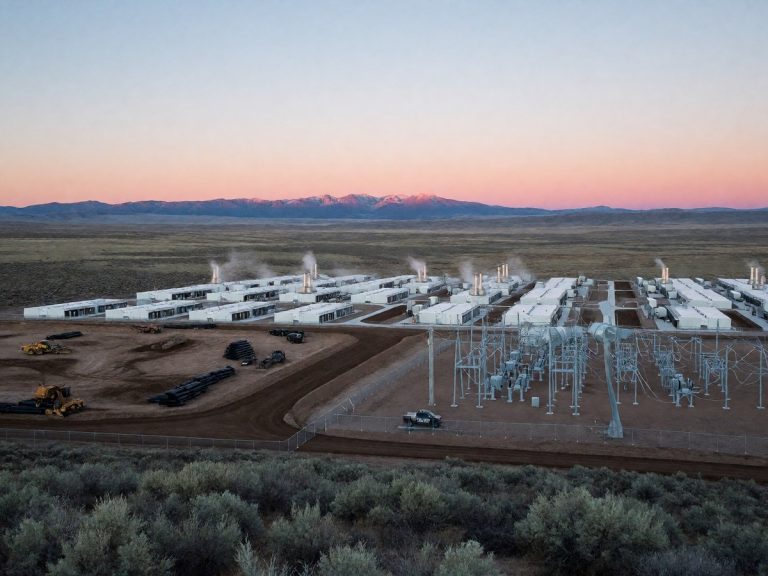
The government builds its digital wealth through volcanic heat. Machines near the Tecapa volcano use geothermal power to mine bitcoin. This strategy uses energy that would otherwise go to waste. The administration uses these gains to pay off old national debt. This mining operation has produced roughly 474 Bitcoins in public accounts since it began. The government launched its Bitcoin mining initiative to utilize renewable energy sources and lower costs.
Usage remains low.
You should watch the IMF compliance reviews closely. These reviews determine if the government faces pressure to stop its purchases. The $1.4 billion program provides external financing, but the continuous quantitative performance criterion monitors bitcoin accumulation. Remittances accounted for 24% of GDP in 2023. Most people sending money from the US still use familiar services rather than digital assets. Security improvements under the current administration helped lower homicide rates and boosted tourism. This safer environment supports foreign investment interest and domestic commerce. While Bitcoin mining attracts tech talent, the majority of the economy still relies on dollar-based business. The country aims to build digital systems that utilize power markets cleverly to attract tech talent.