
 Bitcoin News
Bhutan’s 600 MW Bitcoin mining scale and treasury management

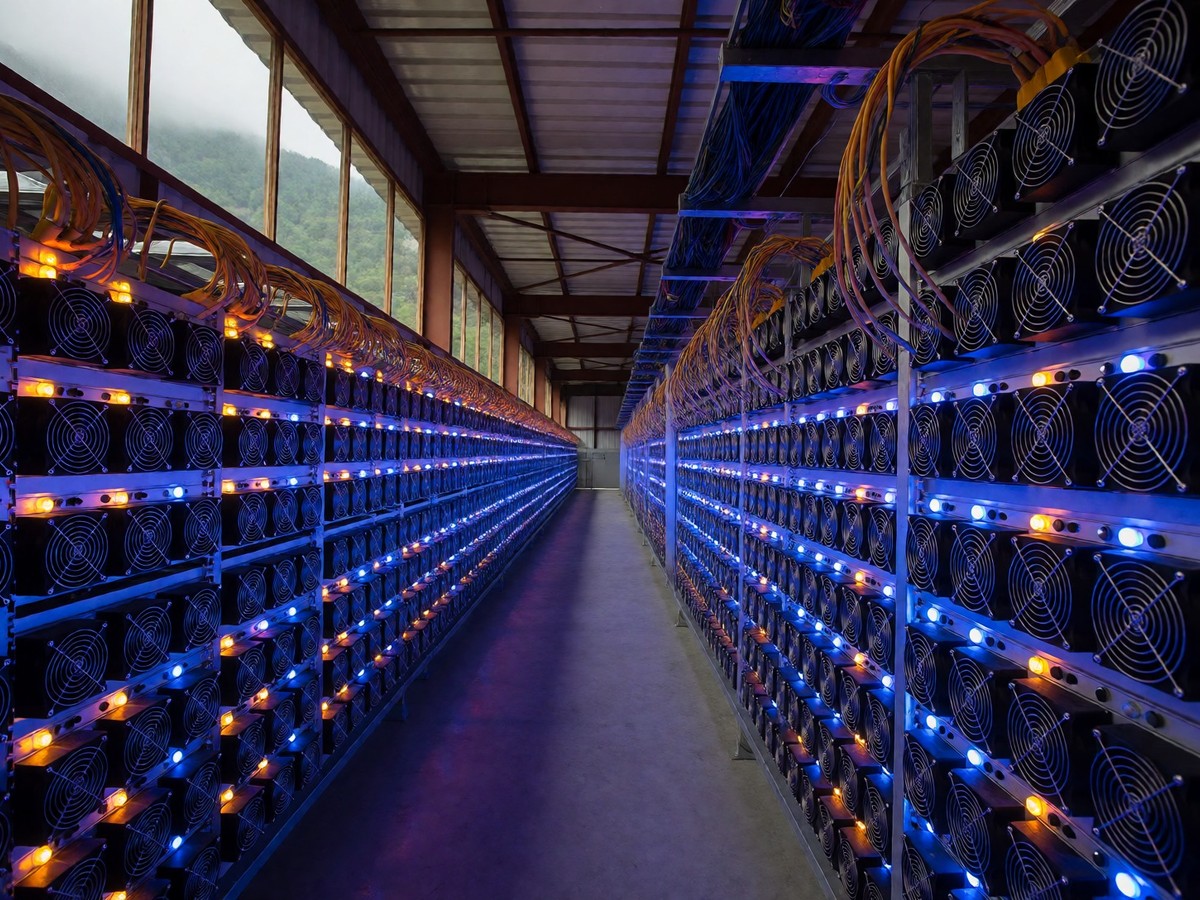
DHI manages the energy conversion
Druk Holding and Investments manages a Bitcoin mining operation that uses surplus hydroelectric power to create digital assets. DHI partnered with the Singapore-headquartered Bitdeer Technologies Group in May 2023 to expand mining capacity. This collaboration grew the capacity from 100 megawatts to 600 megawatts by 2024. DHI operates six mining facilities and has a seventh under construction. These facilities sit near hydropower plants to minimize transmission losses. The country uses surplus electricity from the monsoon months between June and September to fuel the machines. I find the scale of this expansion impressive. The hardware uses specialized ASIC miners to convert electricity into computational work.
The program uses green power.
The first 100 MW facility began in September and hosts around 30,000 mining machines. Bitdeer is raising $500 million to fund the expansion. These operations generate between 55 and 75 Bitcoin per week, which amounts to several million US dollars at market prices.
Treasury liquidity and sales patterns
The Bitcoin reserve peaked in October 2024 at over 13,000 coins valued at approximately 780 million US dollars, or about 27 percent of the country’s annual GDP. Current data from 2026 shows approximately 3,954 coins remain on the balance sheet. This means holdings fell by roughly 70% from the peak. DHI sells Bitcoin to fund government expenses. Over the course of a year, the government sold about 2,262 Bitcoin at an average price of $88,612 per coin. In April 2026, wallets linked to DHI transferred 319.7 BTC worth $22.8 million. Since the start of 2026, Bhutan withdrew $215.7 million in total. DHI also holds approximately 656 Ether, valued at 1.7 million US dollars, which flowed into DHI-associated addresses from the Binance exchange in early 2024.
| Metric | Value |
|---|---|
| Peak Holdings (Oct 2024) | >13,000 BTC |
| Current Holdings (2026) | 3,954 BTC |
| Mining Capacity | 600 MW |
| Total 2026 Withdrawals | $215.7 million |
I notice a pattern.
The sell-offs follow a structured liquidity management strategy. DHI transfers Bitcoin to specific counterparties in regular amounts. The government plans to use up to 10,000 BTC to develop the Gelephu Mindfulness City special administrative region. This project aims to create jobs and build a digital economy.
The Bitcoin price remains volatile.
The volatility creates a risk for a small economy with limited fiscal buffers. Large price swings change the value of the national reserve. In 2022, the value of holdings contracted when Bitcoin fell from $47,000 to below $17,000. During price rallies in 2023 and 2024, the holdings appreciated significantly. How can the state manage these fluctuations without impacting public services?
Economic impacts and energy constraints
The 600 MW expansion uses more energy than the rest of the nation combined, which increases domestic consumption and reduces the amount of electricity Bhutan can export to India during the peak monsoon months. Increased demand reduces hydropower exports to India. This shift impacts the trade balance with India. In 2024, the demand for power from India increased to four months. You already know that Bhutan relies on India as a primary partner. The reduction in exports affects the country’s GDP and trade balance. The massive import of crypto equipment led to a widening current account deficit of 34.3 percent of GDP in FY 22/23. I see how this creates pressure on international reserves. The expansion also addresses youth unemployment, which hit 16.5% in 2024. Over 10% of young people left the country between 2022 and 2023.
The mining operations create jobs.
The country has a hydropower potential of 33,000 megawatts, though domestic demand sits at around 1,000 MW. DHI uses the mining profits to fund government salaries and supports the development of a domestic tech workforce by training Bhutanese engineers and technicians in the specialized mining facilities.

