 Bitcoin News
Bitcoin mining geopolitics: Iran and Kazakhstan disruptions

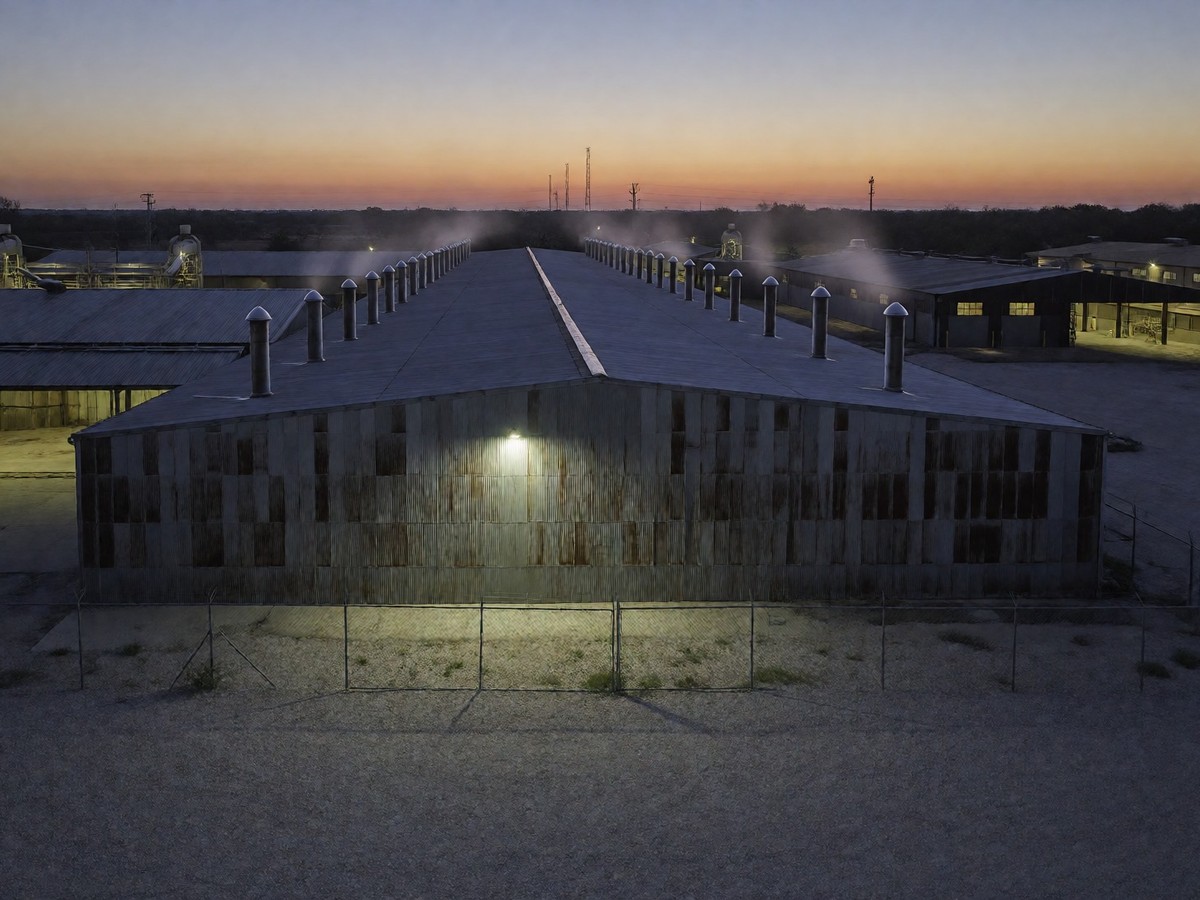
Iran hashrate seizure and Middle East instability
Iran’s 15% hashrate seizure introduces a massive vulnerability into the global Bitcoin network. This loss occurs as the United States and Israel continue a war with Iran that began eight months ago. The conflict escalated following the assassination of supreme leader Ali Khamenei. During the most intense forty days of fighting, US and Israeli forces struck Iranian natural gas refineries. These strikes on energy infrastructure create extreme volatility for mining operations that require steady power. Iranian authorities also report that commercial ships in the Persian Gulf continue to hit sea mines. This instability in the shipping lanes impacts global energy markets and regional security. Brent crude oil prices rose 2.2% to $96.70 per barrel following the recent midterm elections. The Middle East remains a zone of high tension as Houthi drones disrupt traffic at the King Fahd International Airport in Dammam. This disruption killed at least two people during a strike on October 22. The disruption of the Iranian hashrate, combined with the sudden increase in Kazakh electricity costs, forces mining companies to seek new territories where energy stability and political peace are more predictable for long-term operations. Iran’s population of over 92 million includes 61% Persians, 16% Azerbaijanis, 10% Kurds, 6% Lurs, 2% Arabs, 2% Baloch, and 2% Turkmen. Mohsen Rezaei, the secretary of Iran’s Supreme National Security Council, met with Russian President Vladimir Putin to discuss building gas pipelines to address Iranian gas shortages. Will the current US administration find a way to prevent further strikes on energy-producing regions?
Kazakhstan electricity hikes and Bitfarms migration
Kazakhstan’s 23% power tariff hike triggers a significant migration of mining capacity from Central Asia toward South America. Bitfarms is moving its operations to Paraguay to avoid these rising costs. This shift moves hashrate from a country of 20.6 million people toward a smaller nation. Kazakhstan’s population includes 71.5% Kazakhs and 14.4% Russians. The country is a leading producer of uranium and has large oil fields. The nation also measures about 1,820 miles from east to west. Paraguay is a landlocked country with a population of 6 million. The country is a leading exporter of hydroelectricity. The Itaipu Dam on the Parana River is the third-largest hydroelectric dam in the world and provides massive amounts of energy. Paraguay also has an economy driven by beef, soybean, and manufacturing exports. The capital, Asuncion, is a major commercial center for cotton, sugarcane, and tobacco. The Paraguay River and the Parana River define the borders and the geography of the region. This migration reveals the vulnerability of mining firms to local energy policy changes in Kazakhstan. You see the direct impact of these energy shifts when you analyze the movement of large mining firms.
Regulatory pressure in the United States
The regulatory probe into the Riot Platforms Corsicana facility adds significant risk to the mining sector. This investigation follows US congressional hearings regarding the future of crypto mining and fossil fuel consumption. These hearings addressed concerns about the trend of repurposing coal plants into mining farms in New York and Pennsylvania. The 2026 midterm elections projected a Democratic takeover of both the House and the Senate. This change in political leadership might result in stricter oversight for the industry. The probe in Corsicana is a messy regulatory blow to US mining. This investigation targets facilities that operate within the existing legal frameworks of the United States.
| Mining Metric | Value |
|---|---|
| Bitcoin Transaction Electricity | 1,173 KW hours |
| Mining Renewable Energy Use | 40% to 75% |
| Brent Crude Oil Price | $96.70 |
| Paraguay Population | 6 million |
Global energy and Bitcoin consumption
Bitcoin energy consumption remains a central point of debate for global regulators and environmental groups. A single transaction uses 1,173 KW hours of electricity. This amount of energy can power a typical American home for six weeks. Miners currently rely on renewable energy for 40% to 75% of their needs. The Crypto Climate Accord aims to eliminate all greenhouse gas emissions by 2040. This goal is ambitious given the current energy intensity of the network. Proponents argue that the energy usage is justified by the complex validation process that creates a secure transaction system. They also point out that the gold and banking sectors consume twice as much energy as Bitcoin. Furthermore, the energy consumption of Bitcoin is easier to track than the carbon footprint of payment processing systems like Visa. Visa calculations often omit the energy required to print money, power ATMs, or operate bank branches and security vehicles.