Bitcoin News
Bitcoin’s energy consumption narrative: five myths vs facts

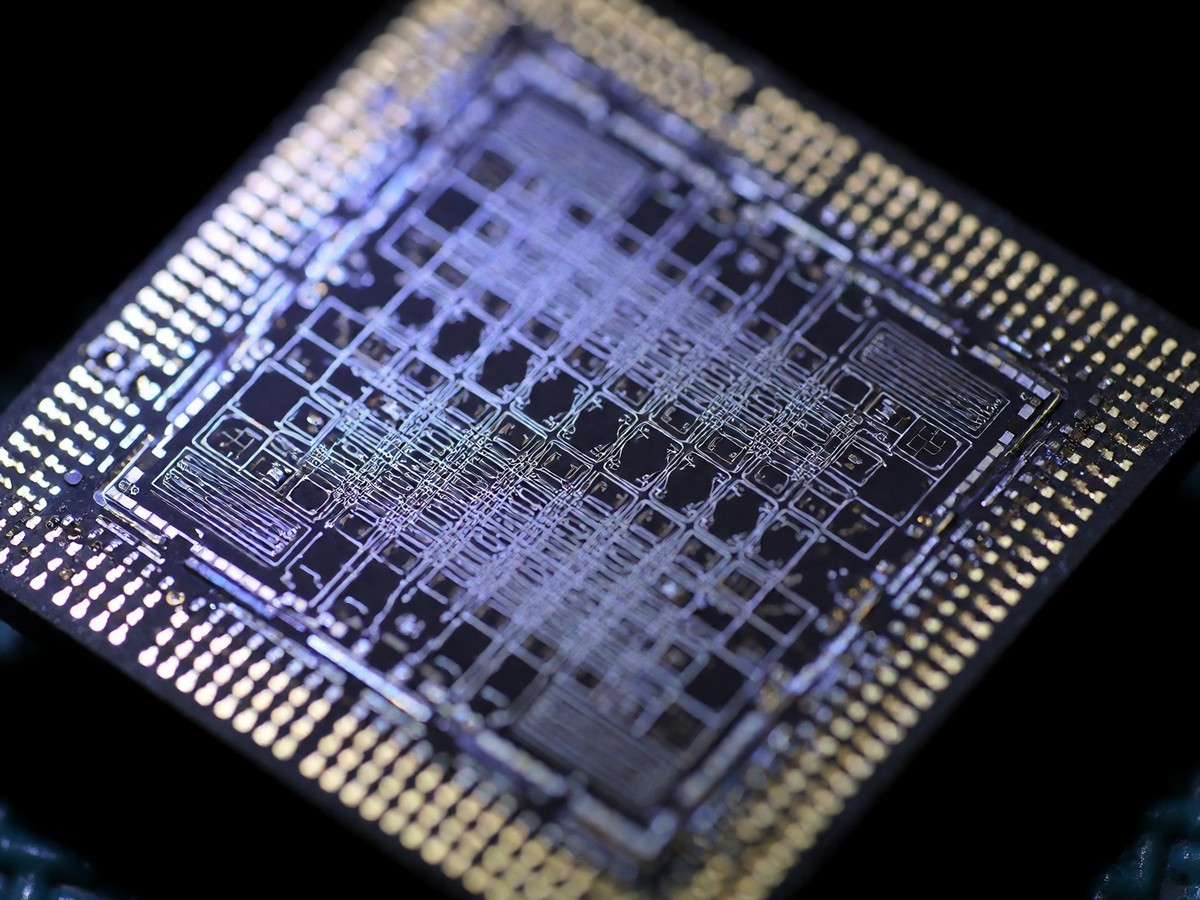
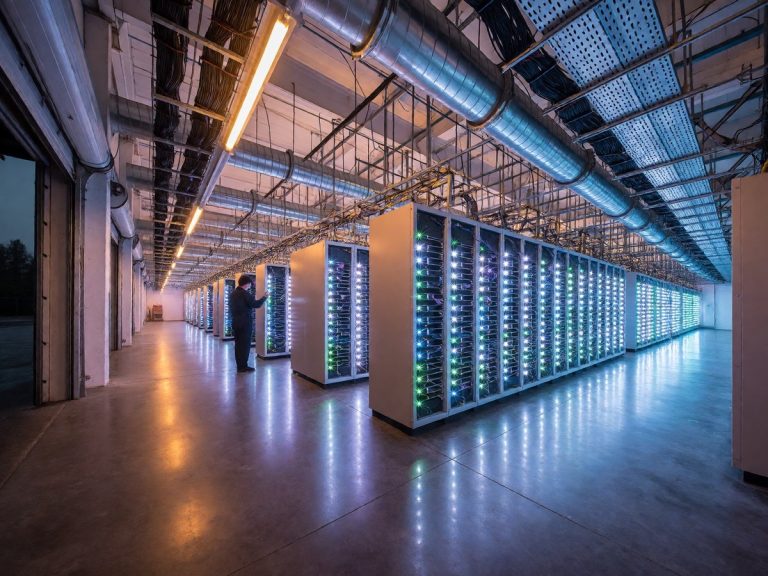
Bitcoin miners consume between 2.6 gigawatts and 7.7 gigawatts of power. Alex de Vries, an economist at the PwC Experience Center, calculates that the current worldwide mining speed takes at least 2.5 gigawatts of electricity. If the bitcoin rate rises following the current fall, these figures may climb to 7.67 gigawatts, which equals the energy consumed by the whole of Ireland or Austria. This amount constitutes 0.5% of the global capacity of power plants. The network produces 28 quintillion hashes every second. Cryptocurrency mining became an illegal business in China and in some US cities. Complexity in mining increases as miners compete for rewards. Miners use specialized chips intended only for this purpose to produce more coins than the chip itself allows. The network uses about 47.67 terawatt hours per year, while other estimates place this figure at 89 terawatt hours. I find the claim that the network requires more energy than the nation of Argentina to be an exaggeration when compared to the 0.05% share of global energy consumption.
Electricity consumption figures
The carbon footprint of Bitcoin mining stays much lower than critics suggest. Bitcoin produced 41 megatons of CO2 in 2021, which amounts to 0.08% of annual emissions worldwide. In comparison, the gold industry emits between 100 and 145 megatons of CO2. The printing of fiat currencies causes about 8 megatons of CO2 per year. Bitcoin produced 36 megatons of CO2 in 2020. Colombia produces 0.4% of the world’s carbon emissions, yet the U.S. carbon footprint is more than 50 times larger than Colombia’s.
| Feature | Statistic |
|---|---|
| Bitcoin 2021 CO2 | 41 megatons |
| Gold Industry CO2 | 100-145 megatons |
| Fiat Printing CO2 | 8 megatons |
| Bitcoin Global Energy Share | 0.05% |
Critics claim that Bitcoin mining increases carbon emissions for no reason. However, mining produces no direct emissions and results in scope-2 emissions from electricity usage. Coal usage provides between 35% and 50% of the energy for mining. The use of nuclear power accounts for 5% to 11%, while hydroelectric energy contributes 4% to 8%. Natural gas flaring has a larger carbon footprint than Bitcoin mining and generates no benefit if the excess energy is not used. An increase of 17% from a tiny base is still a tiny number. I think the argument that Bitcoin mining is a primary driver of global warming is clearly wrong.
Grid impact and renewable energy
Miners often use electricity that other sectors do not need. In the Xinjiang province, the growth of hydroelectric plants outstripped the growth in energy infrastructure, which led to a recent power crash. Bitcoin mining can utilize flared natural gas, a byproduct of oil drilling, which totals 150 billion cubic meters annually. This practice converts waste into a useful resource. Mobile mining containers, such as the EZ Smartbox from EZ Blockchain, use natural gas that would otherwise be flared away.
Daniel Batten, an ESG researcher, states that Bitcoin mining is the only global industry where data shows it has crossed the 50% sustainable energy threshold. He also notes that mining can stabilize grids through flexible load management, especially on renewable-heavy grids in Texas. Many people in Africa now have access to renewable energy because of Bitcoin mining projects like Gridless. In India, Bitcoin has helped lead the development of wind power and solar facilities. In El Salvador, hydro energy benefits from quick investments. Does the use of surplus energy actually hinder long-term investments in grid infrastructure?
Transactional energy and efficiency
The energy used per transaction does not scale linearly with transaction volume. A single mined block uses the same amount of energy regardless of whether the blockspace is used or not. This functions like a laundry machine that uses the same amount of electricity whether the load is full or empty.
The reward for mining halves approximately every four years, which changes the economic motivation for miners. In 2009, miners received 50 BTC every 10 minutes, but the reward is now 6.25 BTC. If the price remains the same after the next halving, the reward will drop to 3.125 BTC. As the reward drops, miners must use more efficient hardware to remain profitable. Since 2009, the network has produced 18.5 million BTC. The price of a single Bitcoin rose from $0.0025 to $73,000.
| Hardware | Daily Yield | Estimated Value |
|---|---|---|
| Antminer T21 | 0.0002945 BTC | $19 (March 2024) |
Mining hardware requires specific environments and enough electricity to remain profitable. The Antminer T21 costs around $2750. When Bitcoin prices drop, miners shut down machines to avoid electricity costs. I find the comparison between the energy used for one Bitcoin transaction and the energy used for a single Visa transaction to be completely flawed because it ignores the existing infrastructure required for traditional banking.