 Bitcoin News
The economics of CleanSpark’s Wyoming expansion and AI infrastructure

The Cheyenne expansion and the Microsoft defeat
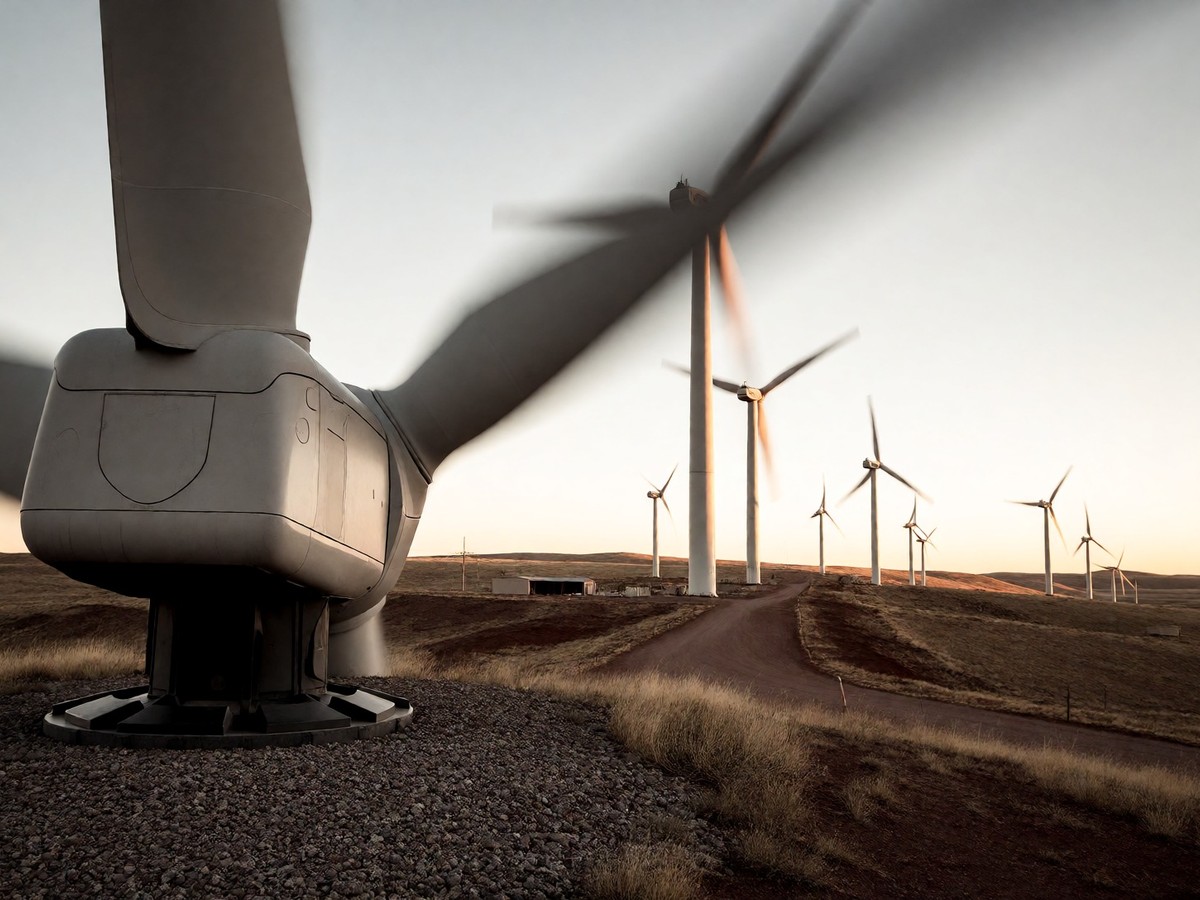
CleanSpark secured a 100 MW development site in Cheyenne, Wyoming, after beating Microsoft in the bidding process, proving its ability to move faster than large tech peers in deploying large-scale power assets. This expansion follows a strategy to build and energize facilities in as little as six months, which is much faster than the three to six years required for traditional AI data centers. The Cheyenne facility is a 30 MW site that will use the latest S21 immersion XPs. This project is a dual-use strategy where Bitcoin mining provides immediate returns and AI compute provides long-term growth. I see this move as a direct attempt to capture the AI infrastructure market. The company also plans to increase its operational hashrate in Tennessee following the pending acquisition of GRIID Infrastructure. The company manages more than 1.8 GW of power, land, and data centers across the United States. CleanSpark’s speed of execution is a primary advantage in securing land and power.
Funding the Sandersville infrastructure
The $2.276 billion senior secured notes due 2031 provide the capital for the Sandersville project. This financing closed on September 25, 2026. The proceeds cover the remaining build-out, reimburse equity already contributed, and fund debt service reserves. Sandersville includes a 20-year, $6.6 billion triple-net lease with a high investment-grade tenant. This tenant manages the taxes, insurance, and maintenance costs for the 175 MW of critical IT load. You should note that deliveries for this site start in the fourth quarter of 2027. This lease adds approximately $330 million in expected average annual net operating income once deliveries begin. The firm has already fully funded the equity portion of that project.
Comparing the Bitcoin and AI power plays
Riot Platforms maintains a massive presence in Texas, including a 700 MW facility in Rockdale and a 1 GW development in Corsicana. Riot recently signed a 20-year lease with a frontier AI lab for 191 MW of capacity at its Rockdale campus. This contract is a $9.1 billion deal, though it could reach $16.1 billion if the tenant exercises two five-year extension options. Riot reports lower power procurement costs than CleanSpark, but CleanSpark manages a portfolio of 1.8 GW of power and land. Riot’s second-quarter revenue was $174.2 million, which includes $23.2 million in data center revenue. The average cost to mine Bitcoin for Riot in the second quarter of 2026 was $49,912. CleanSpark’s fiscal third-quarter revenue was $138 million, a 30.5% decrease from the previous year. The company reported a net loss of $239.8 million, compared to a $257.4 million net income a year earlier.
| Metric | CleanSpark (CLSK) | Riot Platforms (RIOT) |
|---|---|---|
| Operational Hashrate | 50 EH/s | 44.4 EH/s |
| Contracted AI Capacity | 175 MW | 191 MW |
| Bitcoin Holdings | 13,530 BTC | 11,380 BTC |
| Data Center Revenue | N/A | $23.2 million |
Operational metrics and the market outlook
I find the differences in production and capacity telling. CleanSpark manages an operational hashrate of 50 EH/s, while its average operating hashrate was 36.0 EH/s in September 2026. The company held 13,530 Bitcoin as of September 30, 2026, of which 3,475 was posted as collateral or as receivable for derivative transactions. In the second quarter of 2026, Riot produced 1,587 Bitcoin and held 11,380 Bitcoin. CleanSpark produced 529 Bitcoin in September 2026, which resulted in an average daily production of 17.64 Bitcoin, while the peak single day production reached 18.99 Bitcoin. The peak efficiency for the deployed fleet is 16.07 J/Th. The deployed fleet as of September 30, 2026, includes 199,745 units. CleanSpark produced 5,432 Bitcoin for the calendar year 2026 and sold Bitcoin at an average price of $72,928. Riot’s Bitcoin mining revenue was $113.7 million. CleanSpark’s management team includes Ruben Sahakyan, who joined as Senior Vice President of Finance to support AI data center financing. I would monitor the progress of the Wyoming deployment to see if it achieves these targets. Will the Cheyenne site’s dual-use model successfully balance the volatility of Bitcoin mining with the long-term requirements of AI tenants?