 Bitcoin News
The evolution of Bitcoin in El Salvador: From El Zonte to reserves

The El Zonte circular economy foundation
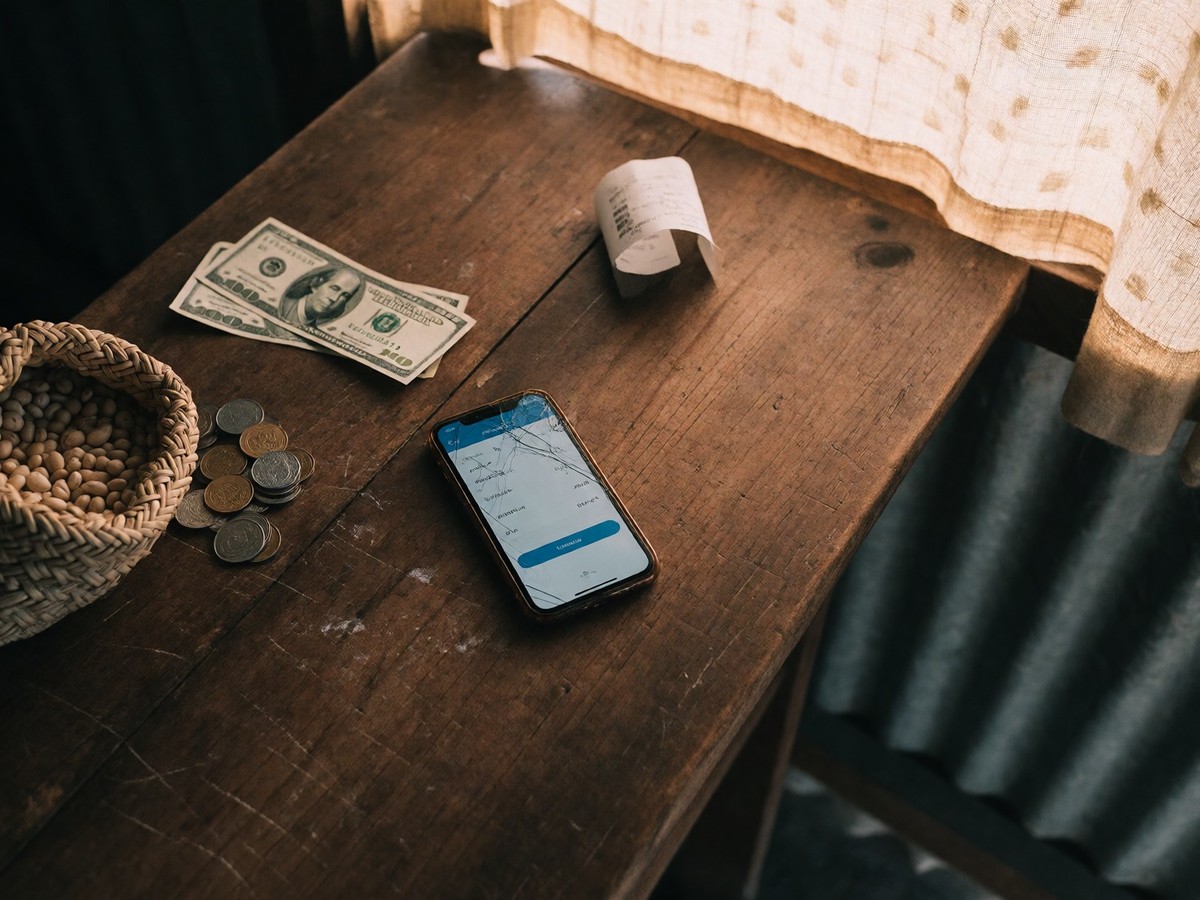
The 2019 Bitcoin Beach project in El Zonte began with an anonymous donor. This donor wanted to use Bitcoin to help the unbanked poor in a remote coastal village. Agua Fria sits on the eastern coast, 26 miles from the capital, and remained undeveloped because the civil war ended only in the 1990s. This village is part of a region that was the epicenter of the civil war. Most villagers in this area lacked bank accounts and credit. About 500 fishing and farming families use Bitcoin to buy groceries and pay utilities. I see the community leaders in El Zonte as the ones who made the project work. People in the village use smartphone applications to make direct online transfers to vendors. Hamer Valenzuela, a bricklayer, collects his salary in Bitcoin and finds it easy to adapt. Maria del Carmen Aviles manages the Tienda Maria store and handles many Bitcoin transactions. Some residents prefer cash or US dollars, which the country has used as its official currency since 2001. The project aimed to reduce reliance on expensive cash transfer services for remittances from the United States. Over 20% of Salvadorans live in the U.S. currently. The goal was to create a sustainable Bitcoin ecosystem. The Bitcoin Beach team distributed Bitcoin to families with children attending the local school. They also worked with local business owners to teach them how to accept Bitcoin. The team worked with the local water project to ensure people can pay their bills in Bitcoin. The program issued thousands of satoshi through paid youth work programs, educational stipends, and community construction projects. Adoption grew during the coronavirus pandemic when lockdowns kept people at home.
National reserves and IMF friction
El Salvador holds 7,801 Bitcoin as of October 11, 2026. The National Bitcoin Office tracker shows the reserve has a value of approximately $647 million based on a price of $82,958 per coin. The government follows a strategy to purchase one Bitcoin every day. This strategy continued even after the country made Bitcoin acceptance voluntary in 2025. The International Monetary Fund (IMF) signed a $1.4 billion Extended Fund Facility with El Salvador in early 2025. A condition of this agreement requires the public sector to keep its Bitcoin holdings unchanged. The IMF stated that no further Bitcoin accumulation beyond documented donations should occur. The National Bitcoin Office tracker recorded 38 deposits of exactly one Bitcoin each since September 3, 2026, and ten of these arrived on or after October 1, 2026. This was the day the IMF board completed its second and third reviews. The board released about $138 million at that time. However, the board also granted waivers for certain unmet performance criteria on Bitcoin accumulation. Over $423 million in public funds were used to accumulate the reserve. This is a 15% gain on invested capital despite the volatility. In February 2026, a sharp Bitcoin price correction wiped roughly $300 million off the paper value of the reserves. This event gave IMF critics fresh ammunition. The IMF claims the reserve growth reflects a consolidation of BTC across government-owned wallets rather than new market purchases. I view the continuous daily inflows as a direct challenge to the IMF’s program credibility.
Transparency and blockchain monitoring
Cristosal, a human rights organization, demands that the government name the private donors providing Bitcoin. The group wants the government to publish the donation contracts, the amounts, and the dates of the gifts. They also want the government to perform forensic tracing of the coins on the blockchain. They want to rule out funds linked to illicit markets or mixing services. The group warns that undisclosed donations could carry the risk of an "upfront bribe" if donors later won contracts or concessions. The National Bitcoin Office publishes wallet addresses online using public blockchain data. The National Bitcoin Office tracker, which monitors public blockchain data, listed 20 wallet addresses that held 7,801.37 Bitcoin during the early morning hours of Sunday, October 11, 2026, after the ten most recent deposits arrived. The 38 new coins added since September 3 are worth about $3.2 million. The IMF accepted documentation that the accumulation reflects these private donations. Cristosal released an 11-page analysis on September 30. The group claims state Bitcoin reserves grew by about 1,090 coins, or $100 million, since the IMF’s first review in June 2025. They also point to gaps regarding the funding of political campaigns ahead of the 2027 elections. You should watch how the IMF treats these steady inflows as documented donations.
Economic pressures and the 2027 election
El Salvador faces a $11.57 billion pension debt and a national debt that reached 85 percent of GDP in 2024. The 2027 presidential election introduces uncertainty for the current Bitcoin laws. Opposition parties ARENA and FMLN signaled they would roll back these policies if they won. I believe the political shift in 2027 will determine if the Bitcoin experiment continues. Bitcoin remittances reached $35.4 million in the first half of 2026, which is a 41.7% increase from the previous year. The country also has a 0% capital gains tax on Bitcoin. In El Zonte, 177+ merchants in Bitcoin Zones accept Bitcoin directly. The new airport terminal in the country even has a robot dog named Bartolito. Salvadorans received some $6 billion in remittances last year from relatives abroad. The government also maintains a $150 million fund to help people convert Bitcoin to dollars. The economy of the country is about $39 billion this year. The reserve was worth $602.84 million in July 2026. One Bitcoin converter in El Zonte takes a three dollar commission on a fifty dollar conversion. Jessica Velis operates the business where this machine is located. The state is the fifth-largest holder of Bitcoin globally. Will the state maintain its one-coin-a-day strategy through the next election?
| Metric | Value |
|---|---|
| Total Bitcoin Holdings (Oct 11, 2026) | 7,801 BTC |
| Reserve Value (at $82,958/BTC) | $647 million |
| Daily Purchase Rate | 1 BTC |
| IMF Loan Amount | $1.4 billion |
| Pension Debt | $11.57 billion |
| Bitcoin Remittances (H1 2026) | $35.4 million |