 Bitcoin News
The History of Bitcoin’s Dollar Parity Milestone

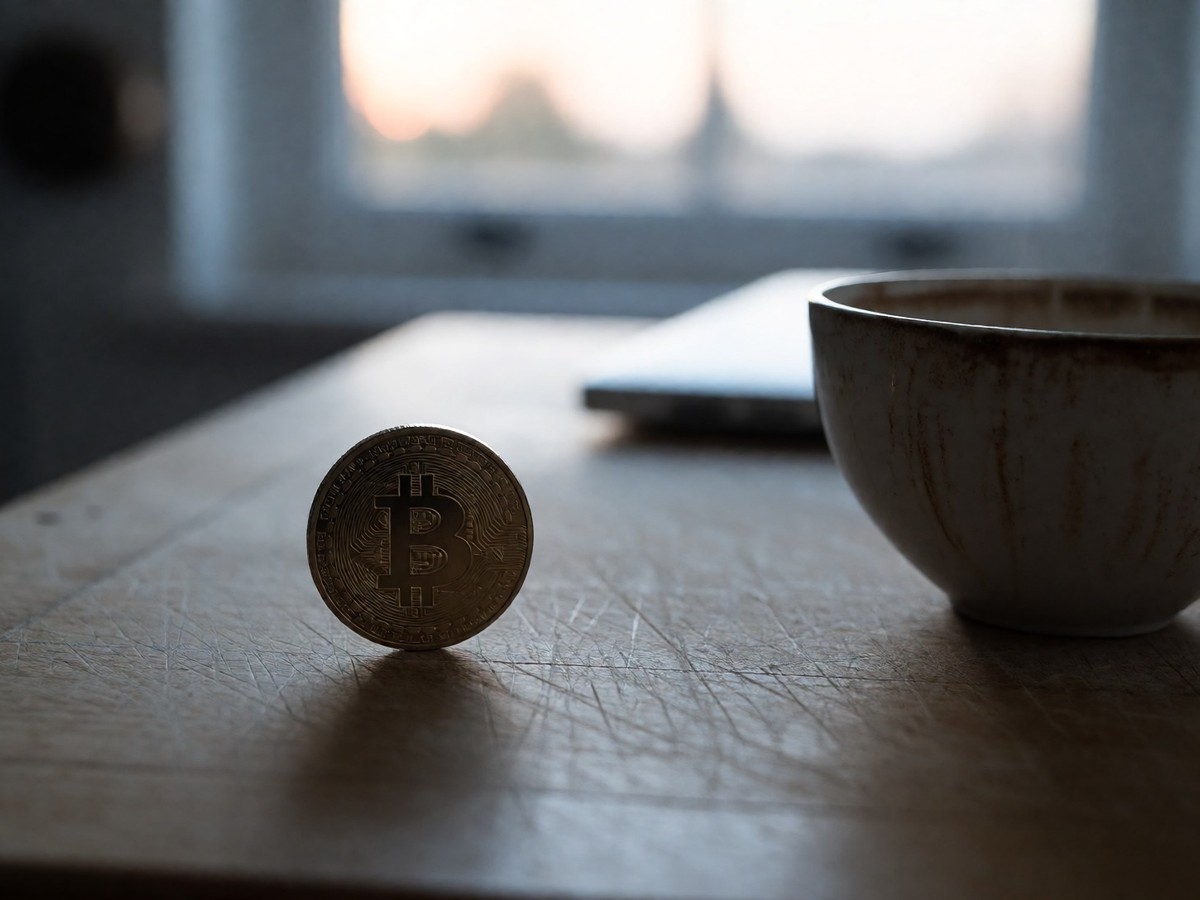
On February 9, 2011, Bitcoin reached parity with the US dollar for the first time. This moment confirmed that a purely digital asset could hold real monetary value. At the time, the currency traded among technologists and early adopters with little public attention. The price level marked the foundation for everything that followed in the cryptocurrency market. From that single dollar to its peak of $126,025 on October 6, 2025, Bitcoin rose more than 126,000 times. Few assets in financial history show a comparable move over such a span.
The Road to One Dollar
In 2009, Bitcoin had no established exchange price. Participants experimented with mining and informal valuation on niche forums. The New Liberty Standard published an exchange rate in October 2009 derived from estimated electricity costs. By April 2010, the market price was established at $0.003 per coin using daily volume-weighted trading data. On May 22, 2010, Laszlo Hanyecz purchased two pizzas for 10,000 BTC, proving the currency functioned as actual money. That transaction valued each coin at roughly one cent.
The path to dollar parity involved significant volatility and infrastructure risks. Mt. Gox, which launched as a Bitcoin exchange in July 2010, became the primary venue for price discovery. In June 2011, a hacker compromised an auditor’s computer and sold a large number of bitcoins at nominal prices. This caused the price on Mt. Gox to temporarily drop to one cent. The exchange rolled back all transactions to mitigate the damage. Despite this security failure, the broader market continued to grow. By June 8, 2011, the price peaked at $29.60 before dropping sharply. The cycle established a pattern: rapid appreciation attracted users, while security failures amplified subsequent losses.
Institutional Validation and Supply Shocks
Bitcoin’s fixed supply anchors its valuation model. The protocol caps issuance at 21 million coins, while halving events cut new supply every four years. Each halving in 2012, 2016, 2020, and 2024 reduced the rate of new Bitcoin entering circulation. Demand growth faced tighter supply conditions, driving price expansions. In January 2024, spot Bitcoin ETFs changed market access for traditional investors. These products allowed exposure without handling wallets or private keys. By 2025, spot ETFs held more than 1.1 million BTC, representing about 5.6% of total supply.
This steady demand altered market dynamics significantly. Large inflows created consistent buying pressure, while long-term holders reduced available liquidity on exchanges. Corporate adoption expanded alongside institutional interest. Companies like MicroStrategy and Tesla added Bitcoin to their balance sheets. Discussions around sovereign reserves also gained traction, with U.S. policymakers exploring strategic holdings. However, not everyone agrees on the trajectory. Economist Peter Schiff argued that the $126,000 peak may mark Bitcoin’s final all-time high. He pointed to Bitcoin trading below its prior cycle peak of $69,000 from November 2021. Arthur Hayes forecast a move toward $250,000 in the near term. The market now watches closely for signs of where the next cycle leads.
Current Market Dynamics
Bitcoin trades around $70,645, reflecting a sharp pullback from its all-time high. The current price places BTC about 44% below that peak after a volatile year. It delivered a 26.62% decline over the past 12 months. Longer time frames tell a different story, though. Bitcoin posted gains of 226.73% over three years and 57.84% over five years. This reinforces its long-term growth trend despite shorter-term pressure.
| Year | Approximate High (USD) | Approximate Low (USD) |
|---|---|---|
| 2025 | $122,201 | $75,004 |
| 2024 | $106,490 | $53,857 |
| 2023 | $42,500 | $16,000 |
| 2022 | $47,835 | $18,490 |
| 2021 | $68,789 | $29,796 |
The table shows the range of prices over recent years. The 2025 high of $122,201 contrasts with the low of $75,004. This wide spread illustrates the asset’s persistent volatility. You already know that crypto winters follow bull runs, but the duration is unpredictable. Some analysts fear corporate inflows are powering growth rather than retail enthusiasm. Digital asset treasuries reported $1.3 billion in acquisitions last week. This figure does not include MicroStrategy or Metaplanet. If institutional investors really direct the valuation, it might invalidate years of data on crypto price cycles. The future may be harder to predict than ever before. Has Bitcoin already seen its greatest moment, or does its history suggest another chapter still waits?