 Bitcoin News
Bitcoin miner capitulation and the concentration of mining power

Marathon Digital Holdings held 27,562 Bitcoin as of October 31, 2024, while the Bitcoin price sits at $68,000, which remains 12% to 20% below the estimated production cost band of $77,000 to $87,000. This gap between current market prices and the costs required to extract the asset creates a specific pressure on the mining industry. When the price stays below production costs, miners sell their holdings to maintain solvency. This selling pushes the price lower and forces inefficient miners to shut down. This cycle forces the weakest operators out of the market, which eventually lowers the network difficulty and allows the remaining efficient operators to capture more market share.
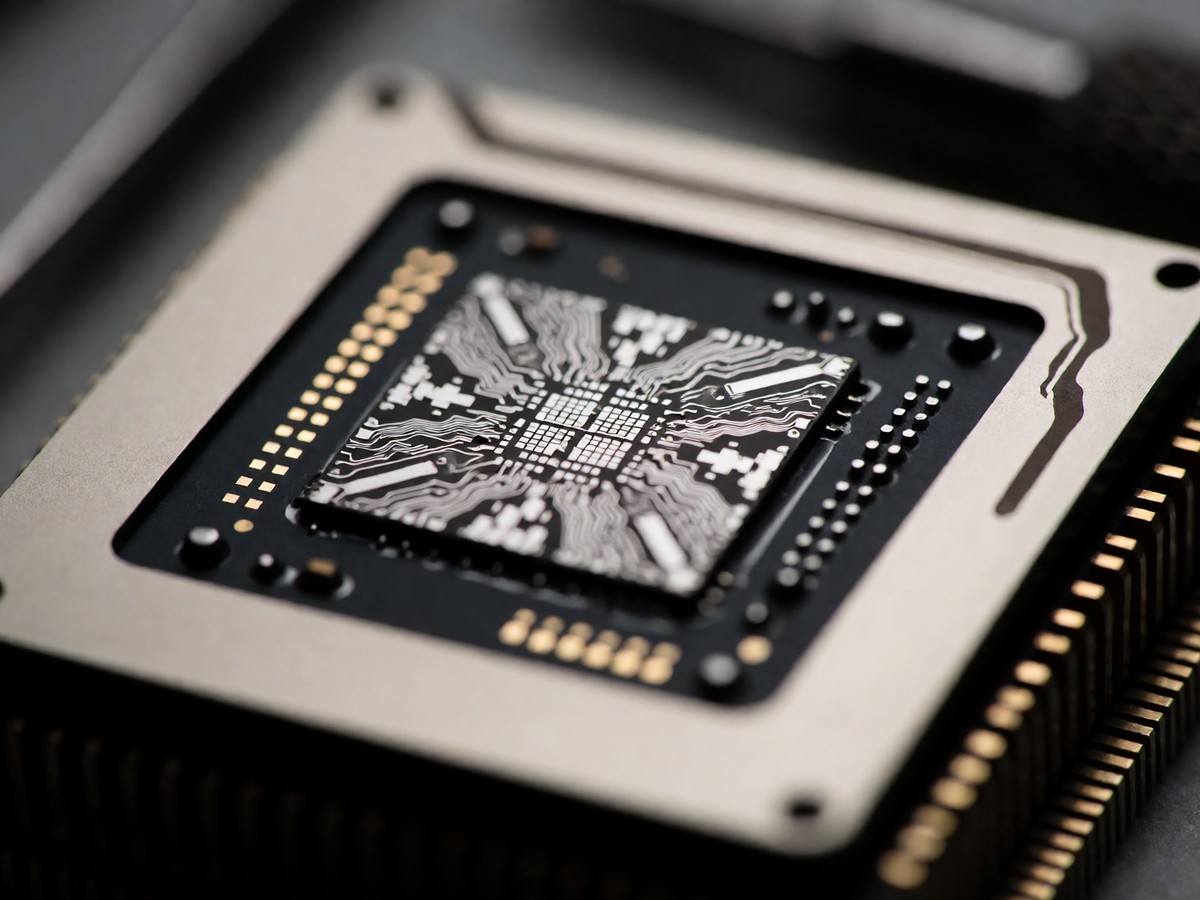
Riot Platforms faces pressure to expand its AI operations following requests from activist investor Starboard. The company currently operates in Rockdale, Texas, where it uses immersion-cooling technology. This technology involves submerging mining hardware in specialized fluid to keep integrated circuits at lower temperatures. Riot expects this process to increase hash rate by 25% and boost ASIC performance by as much as 50%. The company previously announced a 200 MW expansion at its Whinstone facility to host 46,000 S19 Antminers.
The following table summarizes the production and operational metrics for two major mining firms based on their recent reports.
| Metric | MARA (October 2024) | Riot Platforms (September 2023) |
|---|---|---|
| Bitcoin Produced | 717 BTC | 362 BTC |
| Month-over-Month Production Change | +2% | +9% |
| Deployed Hash Rate | 40.2 EH/s | 10.9 EH/s |
| Power/Demand Response Credits | Not listed | $13.5 million |
Operational failures and hash rate volatility
Riot Platforms reported that 14,250 miners were offline in September 2023 due to damage in Building G from severe winter weather in late December 2022. This damage specifically affected its immersion buildings in Texas. The company began installing replacement dry coolers in Building G to ramp hash rate back up to a full capacity of 2.4 EH/s. Despite these hardware failures, Riot earned $11.0 million in power credits from its long-term contracts and $2.5 million in demand response credits from ERCOT.
The instability in Texas energy markets creates constant risk for miners who rely on grid stability. In late January 2026, winter storms hit the United States and knocked major mining operations offline in Texas and Georgia. This event caused the global hashrate to drop from 1 ZH/s to between 550 and 826 EH/s. Foundry USA saw its hashrate fall from nearly 400 EH/s to around 198 EH/s during this period. The network difficulty responded to this drop with a 11% decline on February 9, 2026, before hitting a 14.73% upward adjustment on February 19, 2026.
The industry faces a steep challenge from rising hardware costs and regulatory shifts. Ethan Vera, the chief operating officer at Luxor Technology, states that a 36% tariff on machines imported from Southeast Asian countries like Thailand, Malaysia, and Indonesia would destroy his company’s return on investment. Most US mining machines come from these regions, and the narrow margins in the industry make these costs difficult to absorb. While a 90-day reprieve on these tariffs exists, the unpredictability of policy makes companies look for sites outside the United States.
Concentration of mining pool dominance
Foundry USA captures 16.87% of the hashrate, making it the largest mining pool. In a different 30-day period, Foundry USA controlled 22.76% of the global hashrate, or 42.42 EH/s. This concentration of power highlights a shift in the network. A single pool now controls a massive portion of the computational work. This dominance contrasts with the smaller, independent miners that the network was originally designed to support.
The gap between large corporate miners and small operators grows with every halving. Charles Chong, the director of strategy at Foundry, says that profitable home mining will cease to exist after the halving. He notes that the widening gap in operational efficiency and cost-effectiveness between home miners and institutional players makes it increasingly challenging for the former to remain viable. Large players like MARA Holdings can accumulate massive war chests, such as the $1.5 billion held by MARA, to buy struggling sites and upgrade their machines.
Small miners struggle to compete with the economies of scale that large firms use to lower their energy costs. Companies like IREN report power costs of about 4 cents per kWh because they use demand response programs and vertical integration. In contrast, new-generation miners using Bitmain T21 or S21 machines generate 23 to 25 cents per kilowatt hour of revenue. This massive disparity in cost structures means that as the reward for each block drops, only the largest entities with the lowest power costs can survive the squeeze.
| Mining Pool Entity | Reported Hashrate Share |
|---|---|
| Foundry USA | 16.87% to 22.76% |
| Antpool | 14.72% |
| F2pool | 14.72% |
| Binance Pool | 11.55% |
| Poolin | 11.42% |
Institutional liquidation and the AI pivot
The shift toward artificial intelligence creates a new risk for Bitcoin hashrate stability. Mining companies such as Riot Platforms and Bitfarms are repurposing data center infrastructure for AI training. AI hosting revenue currently exceeds mining revenue per megawatt in some instances. Because computing capacity moved to AI does not automatically return to Bitcoin, some hashrate lost during previous bear markets may never return to the network.
Publicly traded miners hold massive Bitcoin positions and debt obligations that force them to sell during price drops. Core Scientific warned it could seek bankruptcy protection if it ran out of cash, citing low Bitcoin prices and rising electricity costs. The company reported holding 24 Bitcoins and $26.6 million in cash as of a late October filing, a significant drop from the 1,051 Bitcoins and $29.5 million in cash it held in September. This liquidity risk forces large miners to liquidate holdings to cover equipment and financing payments.
If Bitcoin remains below the production cost of $77,000, will the shift toward AI infrastructure permanently cap the growth of the Bitcoin hashrate?
The industry faces a hard reality where efficiency is the only way to survive. CleanSpark manages this by using Bitmain S21 computers, which are among the most efficient machines available, to replace older technology. This constant cycle of upgrading hardware is required to keep joules per terahash low. Without these upgrades, the reduced block rewards from the halving make the business model impossible for anyone without massive scale.