 Bitcoin News
Bitcoin’s Fidelity FBTC retirement IRA rollover explained in plain terms


The first 11 US spot bitcoin ETFs began trading in January 2024, offering direct exposure to the asset on American stock exchanges. This regulatory shift cleared the path for major institutions like BlackRock, which recommended investors allocate up to 2% of their portfolio to bitcoin in December 2024. The market cap reached $1 trillion in February 2021, and by December 2024, the price hit $100,000 for the first time. These milestones confirm that bitcoin is now a standard component of diversified portfolios, including retirement accounts managed through platforms like Fidelity.
How the FBTC product works
Fidelity’s FBTC fund holds actual bitcoin rather than derivatives or futures contracts. The fund operates as an exchange-traded product, meaning you can buy shares during market hours just like a traditional stock. Each share represents a fractional interest in the underlying bitcoin held in cold storage by the issuer. The security structure relies on the peer-to-peer network where nodes validate transactions through cryptography, preventing double-spending without central oversight. Miners secure this ledger using proof-of-work, a computationally intensive process that consumes significant electricity. Critics argue this energy usage is excessive, noting one report found each transaction takes 1,173 kilowatt-hours, enough to power a typical American home for six weeks. Defenders counter that the gold and banking sectors individually consume twice the amount of energy as bitcoin, making the criticism inconsistent.
The fund’s design ensures that your retirement assets are backed by real digital coins. You do not need to manage private keys or worry about wallet security. The custodian handles all technical aspects of holding the asset. This separation between ownership and technical management is why institutional adoption has accelerated since the CME introduced the first futures in December 2017. The current infrastructure supports high liquidity, with daily trading volumes exceeding billions of dollars across global exchanges.
Tax advantages and rollover mechanics
Rolling over an existing 401(k) or IRA into a bitcoin-focused account allows you to defer taxes on capital gains until withdrawal. This is similar to how traditional equity funds operate within tax-advantaged wrappers. If you sell bitcoin outside an IRA, you trigger immediate capital gains tax. Inside the IRA, the growth remains untaxed until you take distributions in retirement. The IRS treats these digital assets as property for tax purposes, so the rollover process must follow specific rules to avoid penalties. You must move the funds directly from the old custodian to the new one to maintain the tax-free status. Indirect rollovers, where you receive a check and deposit it yourself, carry strict deadlines and reporting requirements that often trip up investors.
I find the direct transfer method clearly superior because it eliminates the risk of accidental taxation. The process involves opening a self-directed IRA at a custodian that supports crypto assets. Once the account is active, you initiate a trustee-to-trustee transfer from your existing plan. The custodian then purchases shares of the FBTC fund or other approved bitcoin products. This step converts your paper holdings into digital asset exposure without triggering a taxable event. The entire process typically takes two to four weeks depending on the speed of the outgoing custodian.
| Feature | Traditional IRA | Bitcoin IRA (FBTC) |
|---|---|---|
| Asset Type | Stocks, Bonds, ETFs | Bitcoin via Fund Shares |
| Tax Status | Tax-deferred | Tax-deferred |
| Custody | Brokerage Account | Cold Storage / Fund |
| Volatility | Moderate | High |
Risks and practical considerations
Bitcoin prices remain highly volatile. In May and June 2022, the price fell sharply following the collapses of TerraUSD and Celsius Network. Such events demonstrate that even established digital assets can experience severe drawdowns. A retirement portfolio heavily weighted in bitcoin may suffer significant losses during market downturns. Diversification remains essential to mitigate this risk. Most financial advisors recommend keeping digital assets to a small percentage of total holdings, consistent with BlackRock’s 2% suggestion.
Security concerns persist despite the decentralized nature of the blockchain. While the network itself is robust, individual exchanges and wallets have suffered hacks. The FBI seized about 30,000 bitcoins from Silk Road in October 2013, marking early regulatory attention. Today, the primary risk shifts to smart contract vulnerabilities or custodial failures. Fidelity mitigates this by using insured cold storage for its fund holdings. However, no guarantee exists against total loss if the custodian fails. You should verify the insurance coverage limits before rolling over large sums.
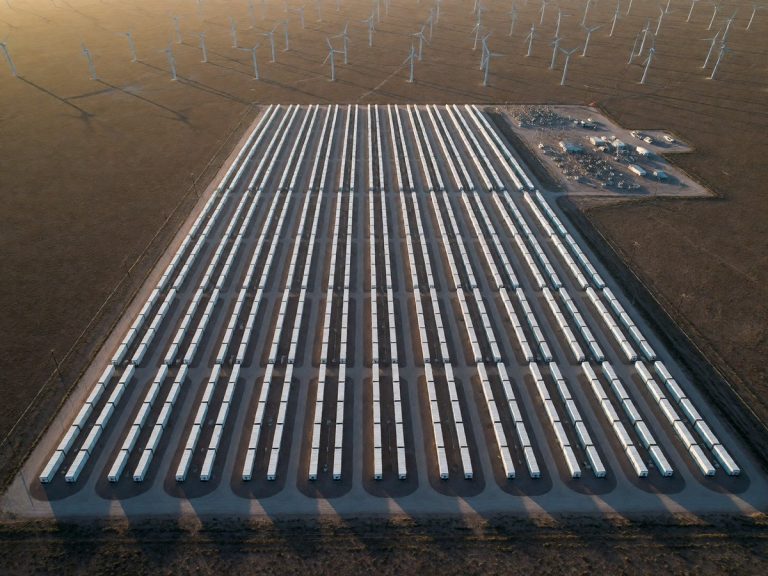
Does the environmental impact justify the long-term investment potential? Miners rely on renewable energy sources, with estimates suggesting 40-75% of bitcoin mining uses clean power. Yet critics argue this diverts solar resources from hospitals and factories. The debate continues among politicians and tech leaders, as seen in congressional hearings discussing fossil fuel consumption in mining farms. Regardless of the ethical stance, the financial mechanics of the FBTC fund remain straightforward: buy shares, hold them in a tax-advantaged account, and benefit from potential appreciation while deferring taxes. The decision ultimately rests on your risk tolerance and belief in the asset’s future value.