 Bitcoin News
CleanSpark’s Wyoming Wind-Powered Mining Hosting Expansion

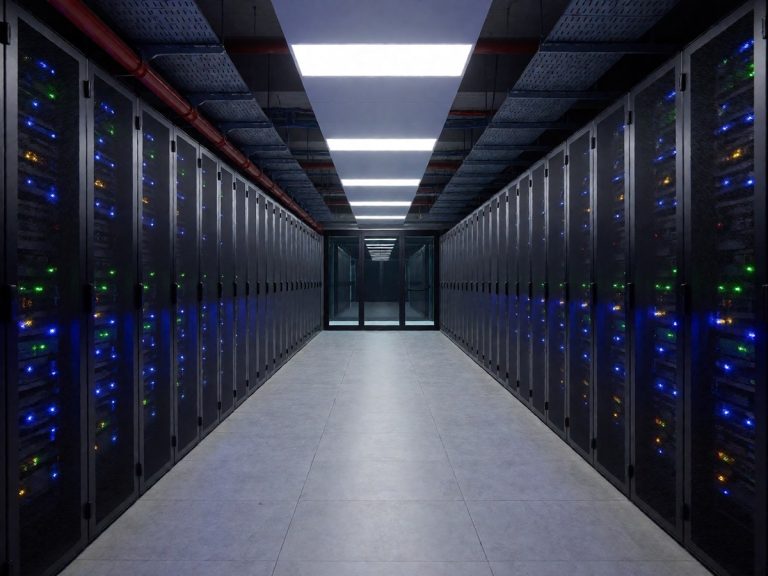
CleanSpark executed 75 MW of power contracts and completed the acquisition of its first Bitcoin mining site in Cheyenne, Wyoming. The initial facility has a 30 MW capacity and is planned to operate as a fully immersion-cooled data center. This setup makes it the second such facility in the company’s growing portfolio. Groundbreaking began immediately, with an expected operational date prior to the end of 2024. The site is designed to add over 2 EH/s to CleanSpark’s total hash rate once fully online.
Infrastructure and Power Capacity
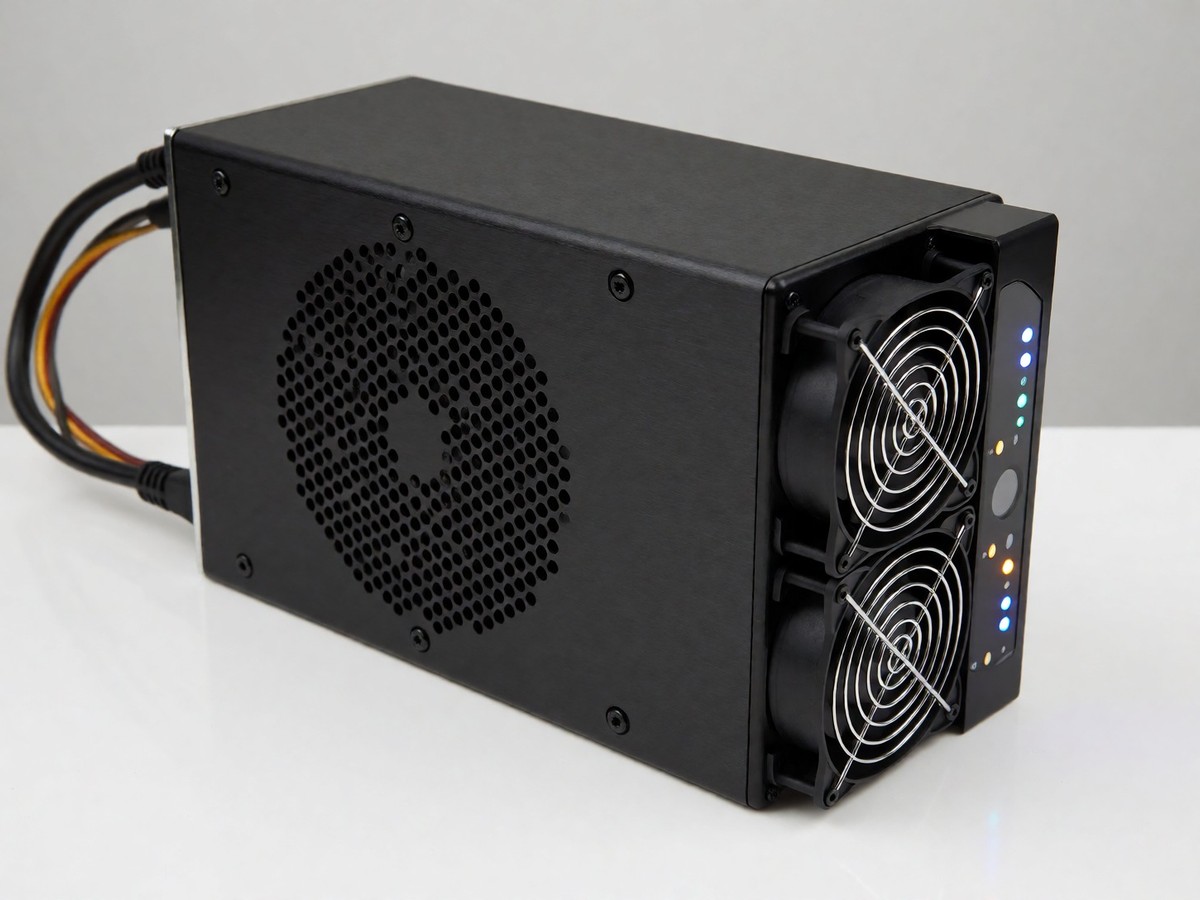
The Cheyenne location is clearly the most efficient part of the new expansion because it uses liquid immersion cooling for the S21 XP miners. These are currently the most powerful and efficient generation of Bitcoin mining machines available. The technology allows for higher density and better thermal management compared to traditional air-cooled setups. CleanSpark is actively working to expand the available power at this specific site to further increase operational capacity beyond the initial 30 MW contract.
A second Wyoming site is progressing toward closing on the underlying real estate. That additional location will bring another 45 MW online, contributing roughly 3 EH/s to the company’s total hash rate. Together, these two sites establish Wyoming as the third state in CleanSpark’s owned-and-operated portfolio. The full network now includes 12 data centers in Georgia, three in Mississippi, one in Wyoming, and co-locations in Tennessee and New York. This geographic spread provides resilience against regional grid issues or regulatory changes.
| Site Location | Power Capacity | Hash Rate Contribution | Cooling Method |
|---|---|---|---|
| Cheyenne, WY | 30 MW | > 2 EH/s | Immersion |
| Second WY Site | 45 MW | ~ 3 EH/s | Undisclosed |
| Total WY Contracts | 75 MW | ~ 5 EH/s | Mixed |
You already know that hash rate determines mining success, so the specific efficiency metrics matter more than the raw gigawatt count. CleanSpark achieved a fleet efficiency of 17.7 J/Th when it exceeded its year-end target of 37 EH/s. This efficiency level is critical for maintaining profitability during periods of high network difficulty. The company plans to continue improving this metric as it deploys newer hardware across all states.
Financial Strategy and Funding
CleanSpark secured a $100 million bitcoin-backed credit facility with Two Prime to support this growth. This move increased its total collateralized lending capacity to $400 million. The proceeds are earmarked to accelerate the deployment of mining hashrate and invest in high-performance computing capabilities. CFO Gary Vecchiarelli emphasized the company’s ability to "rapidly pay down debt" through strong cash flow from operations.
The company also signed a $6.6 billion, 20-year data center lease with an unnamed global tech firm. This long-term agreement stabilizes revenue streams beyond volatile Bitcoin prices. In February 2026, CleanSpark reported power under contract reached 1.8 GW. Its operational hash rate hit 50.0 EH/s with a peak fleet efficiency of 16.07 J/Th. These figures demonstrate that the Wyoming sites are integral to meeting these aggressive targets.
However, the financial structure carries risks. The reliance on bitcoin-backed credit means leverage increases if the coin price drops. Analysts note that while CleanSpark has low costs-to-mine, its price-to-sales ratio of 4.86 is higher than competitors like Hut 8 Corp., which sits at 1.98. This valuation gap suggests investors are paying a premium for the company’s diversification into AI and HPC sectors.
Operational Performance and Outlook
CleanSpark mined 568 Bitcoin in February 2026, ending the month with total holdings of 13,363 BTC. The company expanded its hyperscale-ready infrastructure by closing a second Texas campus, adding 300 megawatts of ERCOT-approved capacity. CEO S. Matthew Schultz stated that the strategy remains consistent: generate predictable cash flow from disciplined mining operations today. He added that the company monetizes hyperscale-ready power and compute infrastructure through tenant-driven growth.
The transition from pure mining to a mixed model including AI data centers is evident in recent acquisitions. CleanSpark acquired 271 acres near Houston, securing 285 megawatts for a dedicated AI data center. This partnership with Submer for cooling solutions indicates a shift toward hosting GPU workloads. While Bitcoin remains integral, the focus on large-scale data centers aims to power next-generation innovation.
Does the shift to AI infrastructure dilute the core mining efficiency that made CleanSpark attractive to analysts? The answer remains unclear as the company balances these competing priorities. The current portfolio supports a diversified approach, but the long-term impact on pure mining yields requires continued monitoring. Investors should watch the quarterly reports for any change in fleet efficiency ratios as the AI facilities come online.