 Bitcoin News
Regulatory roadblocks and local pushback hit Corsicana

The ERCOT interconnection freeze
Governor Greg Abbott’s August 3, 2026, directive is a mandatory audit of all data centers in the ERCOT interconnection process. This order is a halt to the classification of projects into the "Batch Zero" group, which includes facilities with 75 megawatts or more. ERCOT postponed its August 7, 2026, deadline to classify these large-load applicants, and the lack of a defined end date for this verification process is a problem for long-term capital planning. The regulatory shift is a change where even projects with existing studies face new scrutiny regarding their water and power usage. The interconnection queue in Texas is 474.7 gigawatts as of June 2026, and since data centers or crypto-mining facilities are 89.2% of that total request, the scale of the backlog is an unprecedented bottleneck for developers. Additionally, the "Community Impact Audit" is a requirement for computational loads of 25 megawatts or greater, and it is a process for the disclosure of water use and community mitigation measures. ERCOT reported that only 18% of submitted dynamic models passed its initial review. Senate Bill 6, which is from 2025, is a mandate that any large load exceeding 75 megawatts is required to demonstrate site control and post a financial security deposit.
Local resource and community pushback
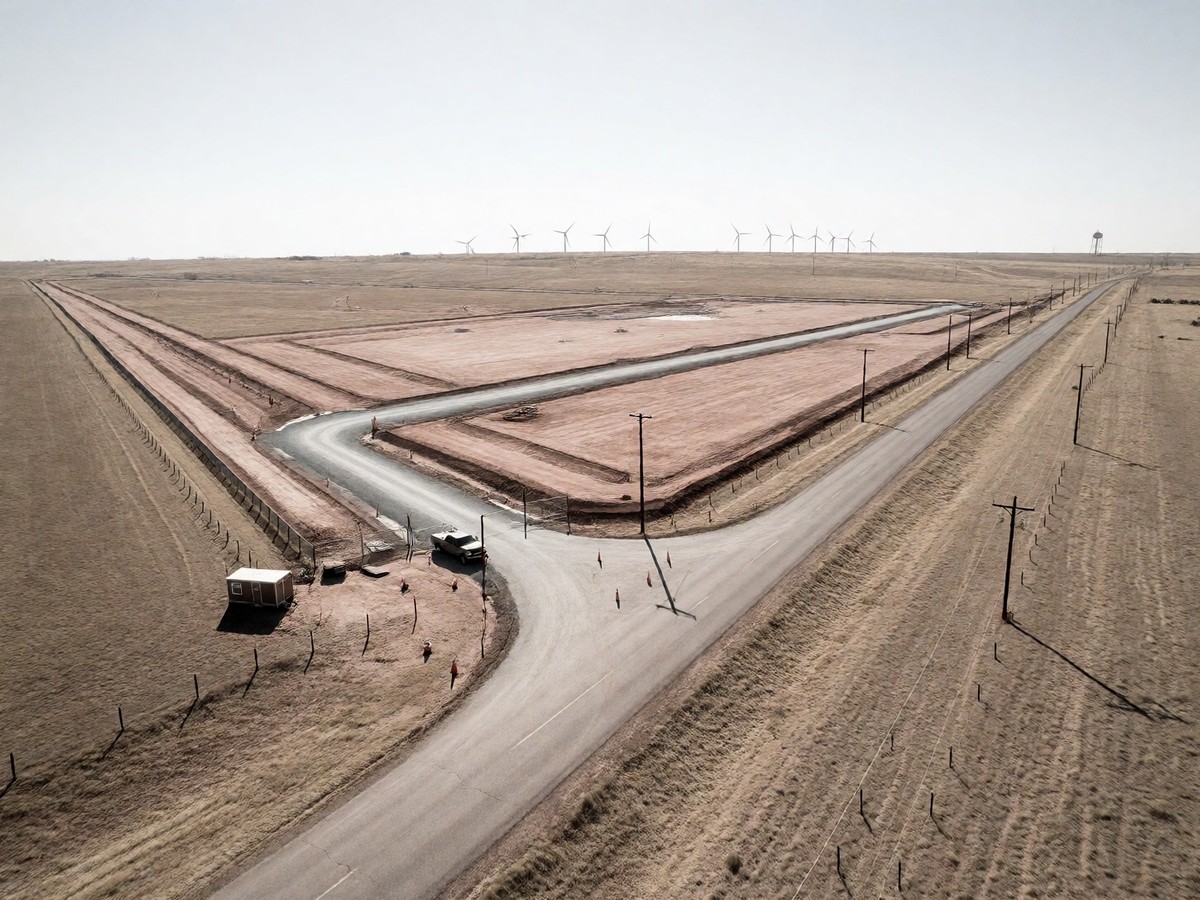
The expansion in Navarro County is a source of organized resistance from the Concerned Citizens of Navarro County. This group is 500 members strong, and they use petitions to fight the development of the 400,000-square-foot complex. The project is 265 acres in size, and it is a demand for up to 1.5 million gallons of water per day. This demand is a clash with the region’s historic drought conditions. Local ranchers in the area are people who sold cattle because of the lack of water in the region. Residents fear that massive industrial loads are a cause for increased electricity costs. Senate Bill 6 is a law that requires all large loads, specifically those over 75 megawatts, to accept curtailment during grid emergencies. This legislation is a reason that Riot must provide the ability to shut down operations when the grid faces extreme stress. Additionally, the facility’s high-speed cooling fans are a source of noise levels reaching 95 decibels. You should watch how the local community manages these environmental concerns. Will the state prioritize industrial crypto-mining over the residential needs of Navarro County residents?
Hardware procurement and regulatory constraints
The August 26, 2026, executive order from President Trump is a layer of procurement uncertainty for Riot. This order is a restriction on the purchase or installation of specific foreign-produced bulk-power system electrical equipment. Such restrictions are a target for the supply chain for critical infrastructure components used in large-scale data centers. Riot’s plans to reach 20.1 EH/s in Corsicana are a result of the mid-2026 deployment of MicroBT miners, which are subject to sudden regulatory bans. The Department of Energy is an authority that can impose conditions on the continued use of covered equipment if national security or grid reliability concerns arise. This policy change is a complication for the transition from mining to high-performance compute workloads. I would skip any expansion plans that ignore these regulatory and supply-chain pressures. I see no way for the company to bypass these sudden federal restrictions without significant cost increases.
| Facility Specification | Corsicana Expansion |
|---|---|
| Total Capacity | 1 GW |
| Target Hash Rate | 20.1 EH/s |
| Water Usage | 1.5 million gallons/day |
| Site Area | 265 acres |