 Bitcoin News
The numbers behind El Salvador’s Bitcoin treasury and IMF review

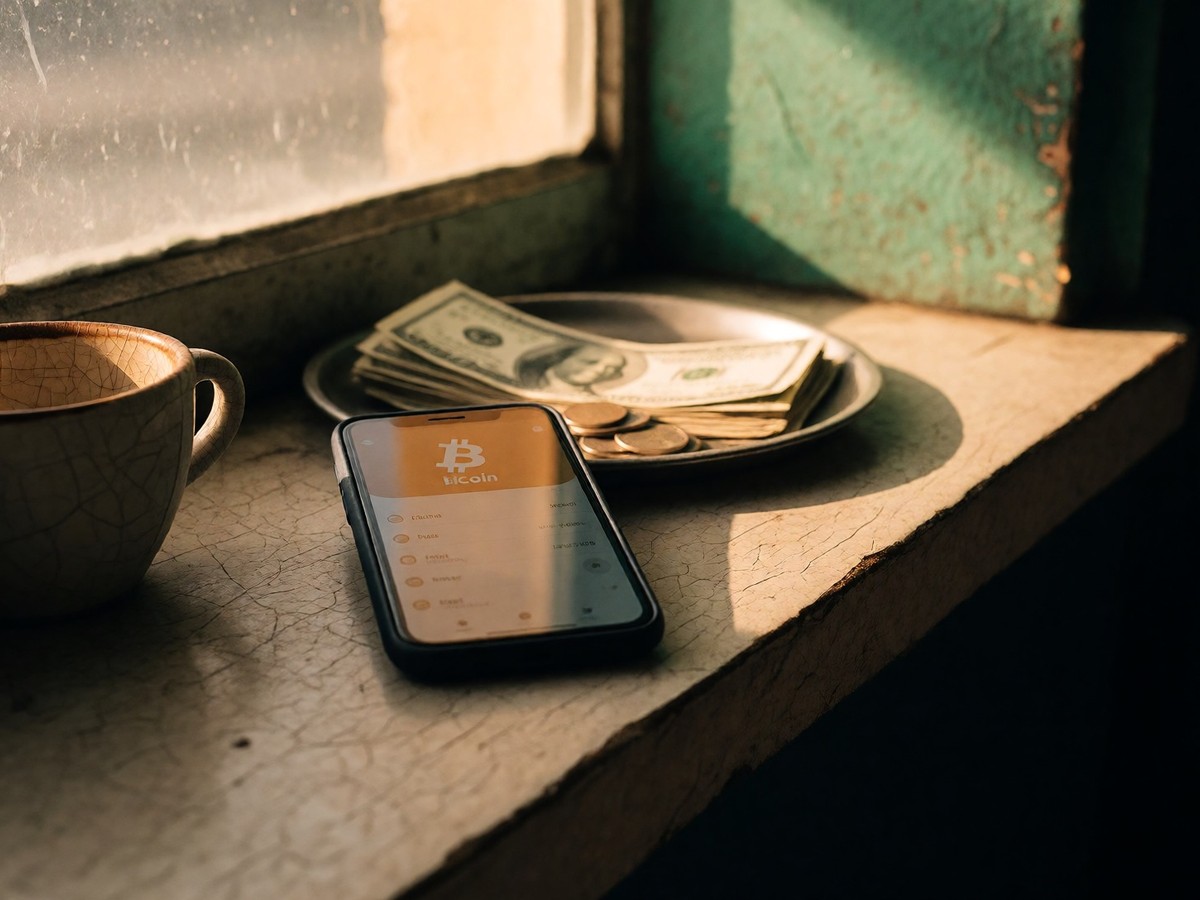
The IMF Executive Board completed the second and third reviews of the 40-month Extended Fund Facility for El Salvador, which allows for an immediate disbursement of SDR 101.96 million, or about $138 million. This follows the approval of the $1.4 billion arrangement on February 26, 2025, which has a total access equivalent to SDR 1,033.92 million. The Board granted waivers for certain unmet performance criteria, specifically those related to Bitcoin accumulation, because the authorities provided corrective measures and renewed commitments. The IMF maintains that no further Bitcoin accumulation is expected beyond documented donations. This decision to bypass the accumulation limit despite the lack of compliance is a blunt reality of the current negotiations. The authorities consented to the publication of the Staff Report, which states that economic activity exceeded expectations because of improvements in security and investor confidence. The program aims for sustained fiscal consolidation to place public debt on a downward trajectory. The primary balance is projected to reach 2.9% of GDP in 2026, while tax revenue is expected to reach 22.8% of GDP. The current account balance was -1.7% in 2023 and -2.8% in 2024, before a projected -4.8% in 2026.
The Bitcoin Treasury Numbers
The Salvadoran government’s Bitcoin stockpile shows varying values depending on the data source used for analysis. As of October 2026, some reports indicate the treasury holds 6,244.18 Bitcoin, valued at more than $738 million. Other figures place the holdings at 6,181 BTC, worth approximately $639 million, with an unrealized profit of $357 million. One recent social media post from President Nayily Bukele noted that the portfolio value reached $644.4 million against an initial investment of $287.1 million, which shows a 124.4% unrealized profit margin. You already know that Bitcoin volatility is high, but these figures show the massive impact on a sovereign treasury.
| Asset Detail | Value/Stat |
|---|---|
| Reported Bitcoin Holdings (Low) | 6,181 BTC |
| Reported Bitcoin Holdings (High) | 7,500 BTC |
| Reported Unrealized Profit | $357 million |
| Reported Unrealized Gain (This Year) | $69.8 million |
| 2026 Projected Real GDP Growth | 4.5% |
The discrepancy in these figures complicates the assessment of the nation’s actual crypto-asset exposure. One dashboard from the Bitcoin Office showed a 17% increase in the stockpile in a single day recently, as the total reached 7,500 Bitcoin valued at $698 million. This sudden jump occurred after the nation began publicizing its holdings more frequently in 2024. The historical purchase data reveals a strategy of buying during market dips. In September 2021, the government bought 400 Bitcoin for $18.7 million and 150 Bitcoin for $6.9 million. On October 27, 2021, it purchased 420 Bitcoin for $25.4 million. By 2022, the country bought 500 Bitcoin for $15.3 million in May and 410 Bitcoin for $15 million in January. In June 2022, it bought 80 Bitcoin for $1.5 million. The current Bitcoin price of $103,643 makes these old purchases look highly profitable. The current economic situation in El Salvador relies on a delicate balance between meeting international fiscal requirements and managing a highly volatile digital asset stockpile. Can the treasury maintain this level of volatility in its sovereign reserves?
Economic Performance and Legal Status
Economic activity in El Salvador exceeded expectations, with real GDP growth projected at 4.5% for 2026. This growth follows a 3.9% increase in 2025, 2.6% in 2024, and 3.4% in 2023, after a high of 11.9% in 2021. Consumer price inflation is estimated at 2.7% for 2026, while gross international reserves are projected to reach $5.346 billion. The trade balance is projected to reach a deficit of $31.3 billion in 2026, while net transfers are expected at 26.1 billion. The current account balance is projected at -4.8% for 2026, and the gross debt is expected to be 85.0% of GDP. The population is expected to be 6.4 million in 2025, with a per capita income of $5,751.
The legal status of Bitcoin changed significantly when the country rescinded its legal tender status in February 2025. The current framework makes the acceptance of Bitcoin voluntary for the private sector, and tax payments must be made in US dollars. This shift followed the IMF’s requirement to reduce the state’s role in digital assets and mitigate financial risks. While the government previously incentivized users with a $30 sign-on bonus for the Chivo wallet, the program’s influence has diminished. Most Salvadorans still prefer using the US dollar for daily transactions. This change was part of a legislative bill that passed in January to align with international standards.
Chivo and Transparency Reforms
The transfer of majority ownership and control of the Chivo e-wallet to a private operator is complete. The government retains a minority stake and maintains custodial responsibilities for customer assets. This move satisfies IMF requirements to unwind public-sector exposure to the digital wallet. The IMF emphasizes that the state must continue to reduce its involvement in Bitcoin-related activities.
Ongoing efforts focus on strengthening the regulation of crypto-asset providers and improving the transparency of public-sector holdings. The authorities are also working to improve the quality and timeliness of external sector statistics. Legislative proposals to address corruption and money laundering vulnerabilities remain part of the broader economic strategy. The government also aims to reduce its dependence on domestic financing through planned consolidation. The authorities must also work to modernize the central bank’s organic law and implement safeguards assessment recommendations to support financial stability. This includes improving beneficial ownership transparency and asset-declaration disclosures.