 Bitcoin News
Argentina’s crypto-driven dollarization and stablecoin adoption

Stablecoins account for 94% of all peso-denominated cryptocurrency trading volume in Argentina as of August 2026. This concentration remains the highest of any major currency globally. Between July 2023 and June 2024, Argentina received $91 billion in crypto inflows, with stablecoins making up 61.8% of that volume. These flows do not belong to speculative traders chasing altcoin returns. Instead, workers, freelancers, and small business owners buy digital dollars to protect savings from inflation. Annual inflation reached 211.4% in 2023, and after President Javier Milei devalued the peso by 50% in December 2023, monthly inflation hit 25.5%. Although annual inflation dropped to 31.8% by November 2025, the peso still loses purchasing power quickly. High economic informality, which reached 45% in 2026, drives people toward digital assets. Because the government forcibly converted dollar-denominated accounts into devalued pesos during the 2001 crisis, an entire generation learned that institutional custody of dollars carries significant political risk that necessitates decentralized alternatives.
The dolar blue, the informal exchange rate, operates through cuevas, which are informal exchange houses in Buenos Aires. These cuevas have existed for decades, but they carry risks like counterfeit bills and theft. Stablecoins provide a digital alternative to the cueva. Instead of carrying cash to an office, Argentines buy USDT through peer-to-peer exchanges. The crypto dollar rate tracks the blue dollar rate, providing the same economic benefit without the physical risk. After the government lifted the cepo in April 2025, the peso moved to a managed float within a band of 1,000 to 1,400 pesos per dollar. This caused the blue dollar premium to drop to between 1% and 4%. Stablecoin usage did not decline proportionally because the infrastructure and habits are already in place.
Lemon Cash and Bitcoin-backed credit
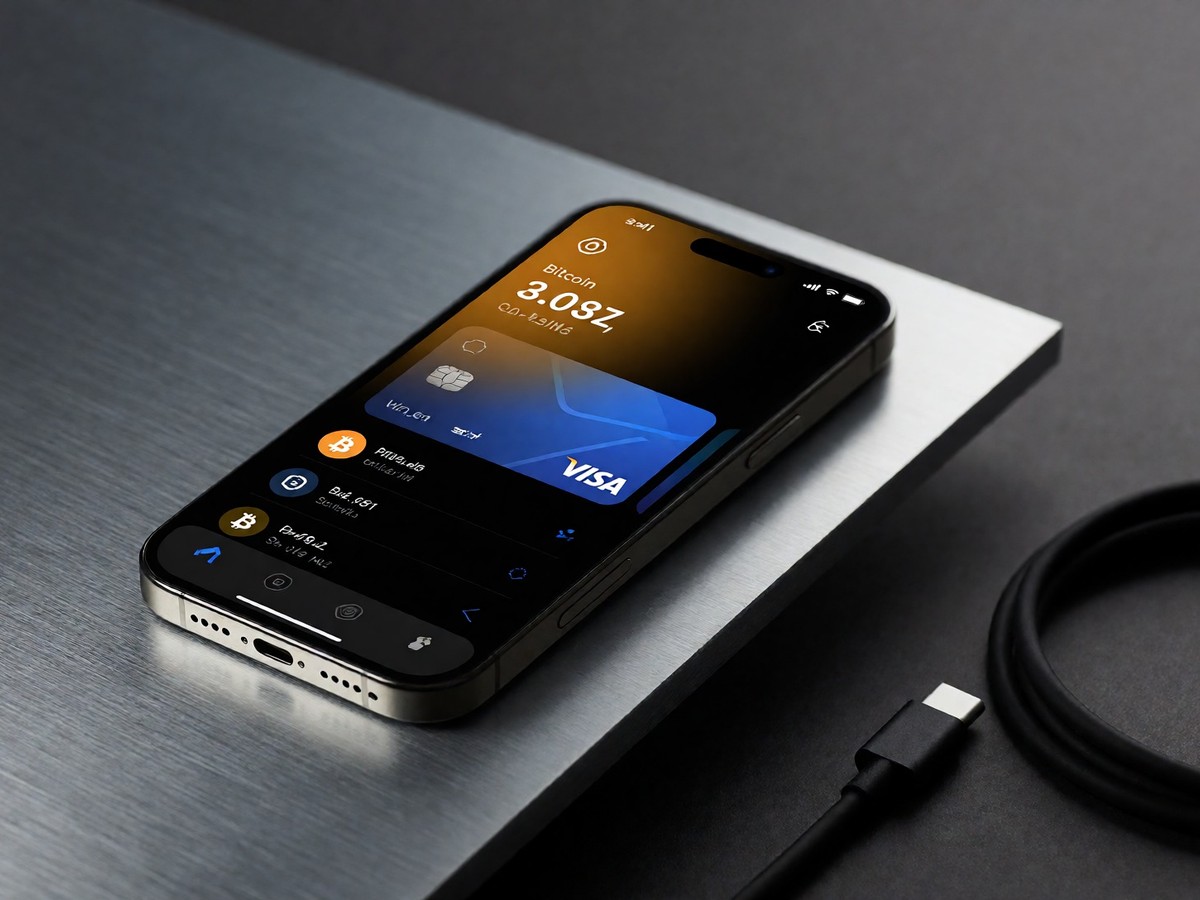
Lemon Cash, the largest crypto wallet in Argentina, has over 4 million users. The company launched a Visa credit card that uses Bitcoin as collateral. This product allows users to access loans in Argentine pesos without selling their Bitcoin. You already know that selling assets during a market dip is a losing strategy. This credit card targets individuals who lack access to traditional banking or credit history. Lemon combines a crypto exchange with Bitcoin cashback and Lightning Network integration.
Belo also assists this demographic by supporting USDT, USDC, and BTC for cross-border payments and remittances. Freelancers use Belo to receive USDC from international clients and convert it to pesos at market rates. This method allows them to bypass the unfavorable exchange rates of the banking system. Buenbit also provides these services, though it initially focused on DAI before expanding to BTC and other stablecoins. The Argentine crypto market remains highly specialized, with 96 registered PSAVs under Law 27,739 as of early 2026.
Transparency failures and custodial risks
The Chivo Wallet in El Salvador failed to present any financial balances to the National Registry Center for three years. This lack of transparency creates massive doubts about its operations. While Chivo is a private company managed by the government, it must file yearly financial standings with the CNR. The Chivo system also faced identity theft lawsuits involving 200 Salvadorans and a data leak affecting 5 million people. In contrast, Argentina has 96 registered PSAVs under Law 27,739.
However, Argentina faces a different risk because most stablecoin activity flows through custodial platforms. When users hold USDT on Lemon Cash or Belo, those platforms control the private keys. This creates exposure to the same institutional risks that the 2001 corralito exposed. The Argentine model of bottom-up dollarization through stablecoins beats the top-down approach of El Salvador’s Chivo wallet. Will these decentralized habits eventually force the central bank to shut down entirely?
Remittance infrastructure and network selection
Western Union is building a settlement network on Solana to compete with crypto ecosystems. The company plans to launch the US Dollar Payment Token, called WUUSD, in 2026. This decision follows comments from CFO Matthew Cagwin that clients lose purchasing power in high-inflation countries after receiving transfers. Western Union is also developing a digital wallet and a stable card based on a digital equivalent of the dollar. The company is working with Anchorage Digital Bank to distribute this token through exchange partners.
For workers, the choice of network depends on fees and liquidity.
| Factor | USDT (Tron) | USDC (Solana/Base) |
|---|---|---|
| P2P liquidity in ARS pairs | Deep, 5-10x more listings | Moderate, growing |
| Transaction cost | $0.20 to $1.00 | ~$0.001 (Solana) |
| Cueva acceptance | Universal | Limited |
| Reserve transparency | Quarterly attestations | Monthly attestations |
For an Argentine worker converting a monthly salary equivalent to $300 to $500, a $5 fee on the Ethereum network represents a meaningful percentage of their total income compared to the $0.20 to $1.00 cost on Tron. USDT on the Tron network dominates retail flows because it has 5 to 10 times more peer-to-peer listings than USDC on platforms like Binance P2P. Turkey shows a different pattern, where crypto activity shifted toward altcoin trading as inflation moderated. Nigeria shows a pattern closer to Argentina, driven by the difficulty of accessing foreign currency.